

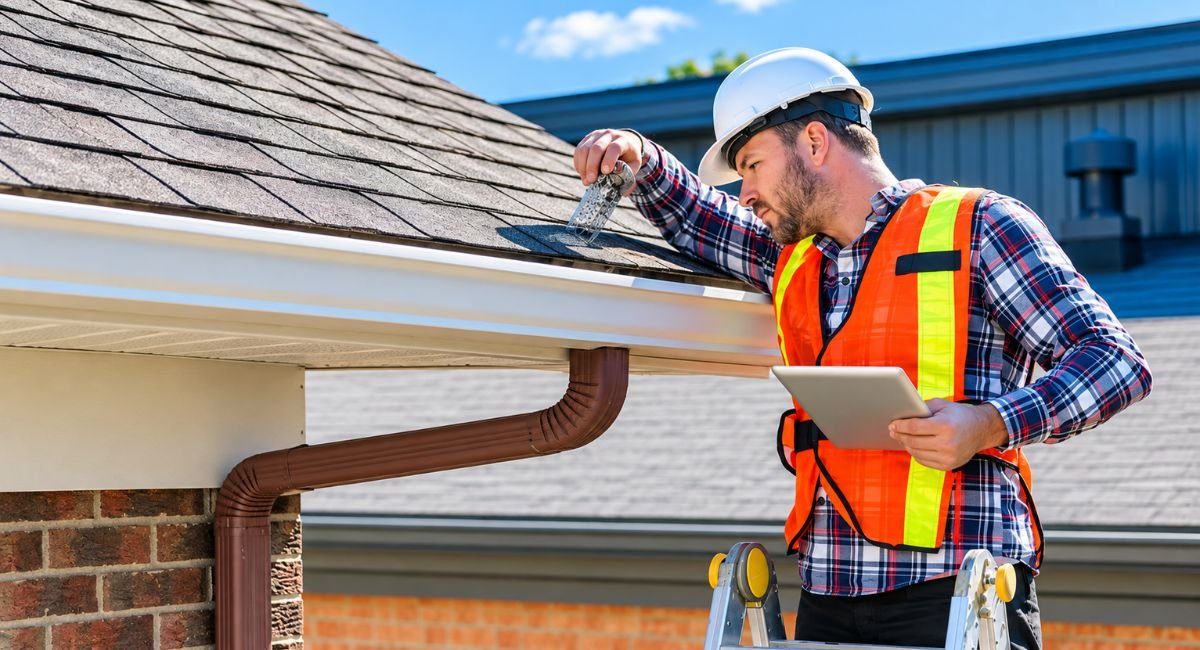
A house can look perfect during a showing. Fresh paint, staged furniture, and good lighting hide a lot. The problems that cost real money usually sit where buyers never look: under the roof shingles, behind the electrical panel, or inside the crawl space.
That’s why a home inspection checklist matters. It tells you what a professional inspector will examine, what to ask about, and which findings should make you pause. Whether you’re a first-time buyer or a seller preparing for a [[pre-listing inspection]], this guide walks through each part of the house in the order most inspectors cover it.
What Is a Home Inspection Checklist?
Quick Answer: A home inspection checklist is a room-by-room list of the systems and structures an inspector evaluates, including the roof, foundation, plumbing, electrical, HVAC, and safety features, to find defects before a home sale closes.
Most inspectors in the US follow standards set by groups like the American Society of Home Inspectors (ASHI) or InterNACHI. These standards define what a general inspection must include. A standard inspection usually takes two to four hours, depending on the home’s size and age, and ends with a written home inspection report that includes photos.
The inspection is visual and non-invasive. Inspectors don’t cut into walls or dismantle equipment. They report what they can see, test, and reasonably access.
Exterior and Grounds
The outside of the home shows how well water is managed, and water is the root cause of many expensive repairs.
- Grading that slopes away from the foundation
- Gutters and downspouts that direct water at least a few feet from the house
- Siding for cracks, rot, gaps, or loose sections
- Driveways, walkways, and steps for trip hazards and heaving
- Decks, railings, and stairs for secure attachment and rot
- Trees with branches touching the roof
Tip: If you can, schedule the inspection after rain. Poor drainage is much easier to spot when puddles are still sitting near the foundation.
Roof and Attic
The roof is one of the most expensive components to replace, so this is a key section of any home inspection checklist for buyers.
- Missing, curled, or cracked shingles
- Flashing around chimneys, vents, and skylights
- Signs of sagging along the roofline
- Estimated remaining roof life (asphalt shingle roofs commonly last about 20–25 years)
- Attic ventilation and insulation levels
- Water stains on attic sheathing or rafters
- Evidence of pests or nesting
If the roof is steep or wet, some inspectors evaluate it with binoculars or a drone instead of walking on it. Ask how yours was inspected.
Foundation and Structure
So, what does a home inspector look for in the structure? Mainly movement and moisture.
- Cracks in the foundation walls, especially horizontal or stair-step cracks
- Doors and windows that stick or don’t close evenly
- Sloping or bouncy floors
- Moisture, efflorescence (white mineral deposits), or standing water in basements and crawl spaces
- Condition of support beams and posts
Hairline vertical cracks are common as concrete cures. Wide, horizontal, or growing cracks often call for a structural engineer’s opinion.
Plumbing System
- Water pressure at multiple fixtures
- Visible leaks under sinks and around toilets
- Drain speed in sinks, tubs, and showers
- Type of supply pipes (some older materials, like polybutylene, have known failure issues)
- Water heater age, venting, and pressure-relief valve (tank water heaters typically last around 8–12 years)
- Signs of past leaks on ceilings below bathrooms
A general inspection does not include the main sewer line. For older homes or homes with large trees nearby, a separate sewer scope is worth considering.
Electrical System
Electrical issues are both safety and cost concerns.
- Main panel condition, labeling, and capacity
- Signs of overheating, scorch marks, or double-tapped breakers
- GFCI outlets in kitchens, bathrooms, garages, and outdoors
- Working outlets and correct polarity
- Exposed or amateur wiring
- Presence of older wiring types, such as knob-and-tube or aluminum branch wiring
HVAC (Heating and Cooling)
- Furnace and air conditioner operation in their respective modes
- Age of equipment (many systems last around 15–20 years with maintenance)
- Air filter condition
- Ductwork for gaps or disconnections
- Proper venting of gas appliances
Inspectors check whether the system works. They don’t fully service it, so an HVAC technician is better for a deeper evaluation.
Interior Rooms
- Ceilings and walls for stains, cracks, or patched areas
- Windows for broken seals (fogging between panes)
- Doors and locks
- Kitchen appliances that convey with the sale
- Bathroom ventilation fans
- Stairs and handrails
Safety Features
- Smoke detectors and carbon monoxide alarms
- Fireplace and chimney condition
- Garage door auto-reverse function
- Possible lead paint in homes built before 1978
- Signs of mold or excessive moisture
Radon note: The EPA identifies radon as the second leading cause of lung cancer in the US. Radon testing is often a separate add-on, so ask for it if your area has elevated levels.
Home Inspection Checklist at a Glance
| Area | What’s Checked | Common Red Flag |
|---|---|---|
| Exterior | Grading, gutters, siding | Water pooling near foundation |
| Roof | Shingles, flashing, age | Sagging or active leaks |
| Foundation | Cracks, moisture | Horizontal or widening cracks |
| Plumbing | Leaks, pressure, water heater | Outdated pipe material |
| Electrical | Panel, outlets, wiring | Scorch marks, DIY wiring |
| HVAC | Function, age, venting | System near end of life |
| Safety | Alarms, radon, lead | Missing CO detectors |
What a Standard Inspection Doesn’t Cover
Many buyers assume the inspection covers everything. It doesn’t. Most general inspections exclude:
- Sewer lines
- Pools and spas
- Septic systems and wells
- Termite and wood-destroying insect inspections (often separate)
- Mold lab testing
- Anything hidden behind walls, under carpet, or under stored items
Knowing these gaps in advance helps you book specialist inspections when the property calls for them.
Home Inspection Red Flags Worth Taking Seriously
Every report lists issues, and minor ones are normal. Certain findings deserve extra attention because they’re expensive or hard to fix:
- Significant foundation movement
- Active roof leaks or a roof at the end of its life
- Evidence of ongoing water intrusion or mold
- Outdated or unsafe electrical systems
- Failing sewer lines (if a scope was done)
These are usually the points buyers use to negotiate repairs, request credits, or reconsider the purchase.
How to Prepare for the Inspection
As a buyer: Attend the inspection if possible. Walking through with the inspector gives you context that a written report can’t. Bring this printable home inspection checklist and ask questions as you go.
As a seller: Clear access to the attic, electrical panel, furnace, water heater, and crawl space. Replace burnt-out bulbs and test smoke alarms. Small fixes reduce the number of items on the report.
Conclusion
A thorough home inspection checklist turns a confusing, high-stakes moment into a clear set of facts you can act on. The inspector’s job is to observe and report, but your job is to understand what the findings mean for your budget and safety. Use this guide before inspection day, read the report carefully, and bring in specialists where needed. If you’re comparing properties, our guide on [[closing costs]] can help you plan the rest of the purchase.
FAQs
1. What is included in a home inspection checklist?
A home inspection checklist covers the exterior, roof, attic, foundation, plumbing, electrical system, HVAC, interior rooms, and safety features. It focuses on visible and accessible components, not hidden areas.
2. What does a home inspector look for that buyers usually miss?
Inspectors often catch drainage problems, roof flashing issues, unsafe electrical panels, and water heater venting defects. These are easy to overlook during a short showing.
3. Can a house fail a home inspection?
No, a house doesn’t pass or fail. The inspector reports conditions, and the buyer decides whether to negotiate, request repairs, or walk away.
4. How long does a home inspection take?
Most inspections take two to four hours. Larger or older homes may take longer, and the written report usually arrives within a day or two.
5. Should I get extra inspections beyond the standard one?
It depends on the property. Sewer scopes, radon tests, termite inspections, and septic evaluations are common add-ons for older homes or specific locations.
