

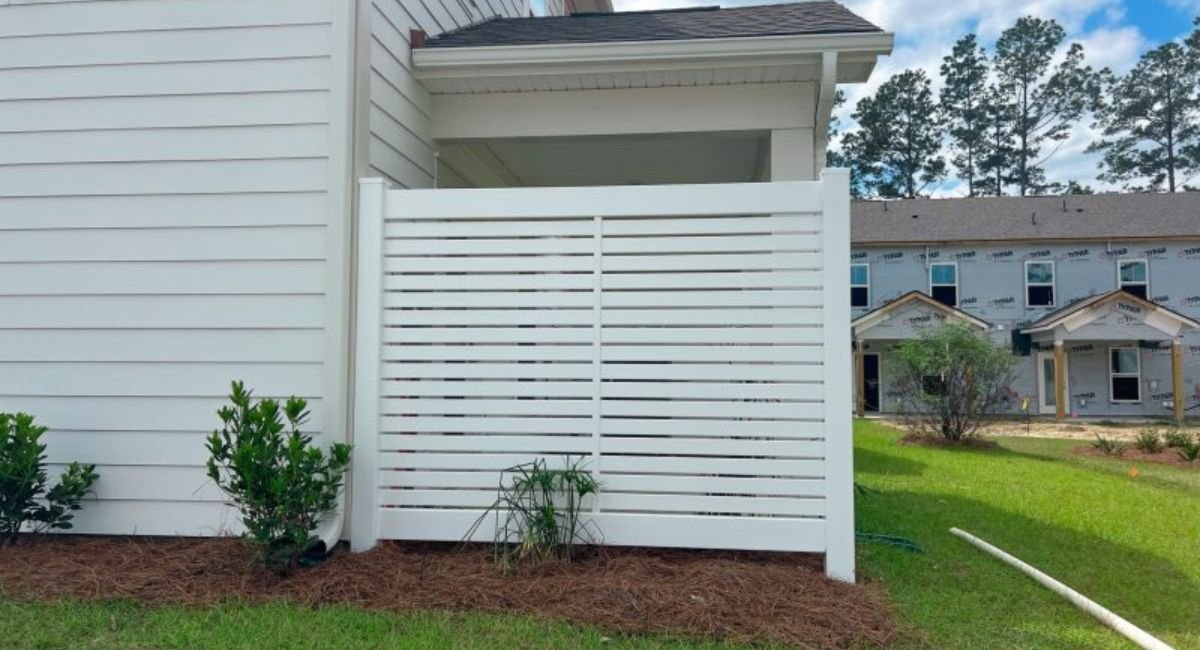
After more than a decade of writing about home improvement and walking Lowcountry properties with installers, I have learned that residential fencing in Charleston is never one-size-fits-all. Salt air, summer humidity, sandy soil and hurricane season decide which fence lasts and which one fails early. At FenceCraft, we help homeowners across Berkeley, Charleston and Dorchester counties match the right material to the right yard. Here are the fence types we recommend most, with the honest benefits and local considerations for each.
1. Why Residential Fencing in the Charleston Tri-County Area Needs a Local Approach
Coastal South Carolina has a humid subtropical climate, which means long, wet summers and regular tropical storms. Residential fencing near Mount Pleasant or Folly Beach faces corrosive salt spray. Homes in Summerville and Goose Creek deal more with clay pockets and standing water. On one FenceCraft project in West Ashley, the installer showed me a neighbor’s fence whose posts had rotted because they were set without gravel drainage. That detail taught me that smart residential fencing starts with soil, wind and moisture, not just looks.
2. Wooden Fences: Classic Residential Fencing With Natural Privacy
Pressure-Treated Pine vs. Cedar for Lowcountry Homes
Wood is still the most requested material for backyard privacy fences. A board-on-board or shadowbox design blocks sightlines, softens street noise and keeps pets secure. Pressure-treated southern yellow pine rated for ground contact is the budget-friendly choice. Cedar costs more, but it contains natural oils that help it resist rot and insects. In my experience, a FenceCraft wooden fence lasts longest when the posts sit in concrete over a gravel base. The boards should be sealed within the first few months and resealed every two to three years after that. Wood needs more upkeep than metal, but its warmth suits Charleston’s historic streetscapes beautifully.
3. Aluminum Fences: Low-Maintenance Residential Fencing for Coastal Weather
When a homeowner tells me they never want to paint or stain again, I point them to aluminum. Unlike steel or wrought iron, aluminum does not rust, because it forms a thin protective oxide layer when exposed to air. A powder-coated finish adds another shield against salt, which is why aluminum is popular on waterfront lots on James Island and Daniel Island. Its open pickets also keep views clear, which makes it ideal for pool enclosures. Most local codes follow the International Residential Code. It calls for pool barriers at least 48 inches tall with gates that close and latch on their own, and FenceCraft plans its aluminum pool fencing with those rules in mind.
4. Living Fences: Eco-Friendly Residential Fencing With Southern Charm
Best Native Shrubs for a Natural Privacy Screen
A living fence uses dense shrubs or small trees as a natural barrier. Native wax myrtle grows quickly and tolerates salt, while Carolina cherry laurel and yaupon holly form thick evergreen screens. These hedges shelter birds and pollinators and help soak up stormwater runoff. The trade-off is patience, since most need a few growing seasons to fill in. One Mount Pleasant family paired a low aluminum fence with young wax myrtles. They had security on day one and full green privacy a few years later. FenceCraft often suggests this hybrid approach.
5. How to Choose the Right Fence for Your Property
Start by naming your main goal, whether that is privacy, keeping pets in, pool safety or curb appeal. Next, review your HOA rules. If you live downtown, also check the guidelines of the City of Charleston Board of Architectural Review, because historic districts regulate fence height and style. Finally, contact SC811 before you dig so underground utility lines are marked for free. Wood suits privacy on a budget, aluminum suits coastal durability, and living fences suit patient, eco-minded homeowners.
Find Your Ideal Fence With FenceCraft
Every Tri-County yard has its own soil, wind exposure and neighborhood rules. You might prefer the timeless warmth of wood, the rust-free strength of aluminum or the natural beauty of a living fence. Either way, the best choice balances your goals with Lowcountry conditions. Reach out to FenceCraft for an on-site consultation and a fence plan built to last.
