

Ever received a message that just said “aii” and stared at your phone wondering what the sender meant? You’re not alone. This three-letter word pops up constantly in chats, TikTok comments, Discord servers, and dating apps — and yet nobody seems to explain it clearly.
Here’s the short answer: “aii” means “alright” or “okay.” It’s a casual, phonetic shortening used to show agreement, acknowledgment, or acceptance in informal digital conversations.
But there’s more to it than that. The tone, context, and platform all affect what “aii” actually signals in a conversation. This guide breaks it all down — from its roots to how to respond when someone sends it your way.
Definition & Meaning
“Aii” is an informal slang term used in text messaging and online communication to mean “alright” or “okay.”
It functions as a quick, low-effort acknowledgment — a way of saying “I got it,” “sure,” or “sounds good” without typing out a full word. The double “i” at the end gives it a softer, more relaxed feel than a blunt “ok” or a single “ai.”
Quick definition table:
| Term | Meaning | Tone |
|---|---|---|
| Aii | Alright / Okay | Casual, relaxed |
| Ok | Okay | Neutral |
| K | Okay | Blunt, sometimes cold |
| Aight | Alright | Casual, AAVE-influenced |
| Sure | Sure / Yes | Slightly more formal |
The word can carry slightly different shades of meaning depending on how it’s used. It might signal simple agreement (“Aii, let’s do it”), reassurance (“Don’t worry, I’m aii”), or passive acknowledgment (“Aii” alone in response to news).
Background & History
The origin of “aii” traces back to African American Vernacular English (AAVE) and urban speech patterns, where “alright” was commonly pronounced as “aiight,” “aight,” or a drawn-out “aiii.” This pronunciation pattern found its way into early digital communication through chat platforms like MSN Messenger and MySpace, where users began spelling words phonetically to match how they actually spoke.
As SMS messaging exploded in the early 2000s, abbreviating words became second nature. “Alright” became “aight,” then got trimmed and stylized further into “aii.” The double “i” preserved that relaxed, elongated sound from spoken language while making the word quick to type.
The rise of social platforms like Twitter, Snapchat, and TikTok accelerated its spread beyond its original communities. Today it appears in global conversations among Gen Z and Millennials who picked it up through music, memes, and online culture — even if they’ve never heard the original AAVE speech patterns it came from.
Also Read This: OOF Meaning in Text: Simple Guide to Understand Its Use Online (2026)
Usage in Various Contexts
“Aii” is versatile enough to fit into several everyday digital scenarios. Here’s how it plays out across different platforms:
Casual Texting
The most common use. A friend says “Meet at 7?” and you reply “aii.” Simple, low-effort, understood.
Social Media (TikTok, Instagram, Twitter/X)
In comments and replies, “aii” signals agreement or acknowledgment. Someone posts an opinion and you drop “aii” in the comments — it’s the digital equivalent of a nod.
Gaming & Discord
In fast-moving group chats or during gameplay, typing “aii” keeps things flowing without interrupting momentum. It confirms a plan or instruction without slowing anyone down.
Dating Apps
On apps like Tinder or Hinge, “aii” can create a relaxed, approachable vibe. It signals that you’re chill and easy to talk to — though overusing it can sometimes read as low effort.
Workplace Messaging (Informal)
Rarely, but occasionally, “aii” appears on platforms like Slack among coworkers who know each other well and communicate casually. It’s the exception, not the rule.
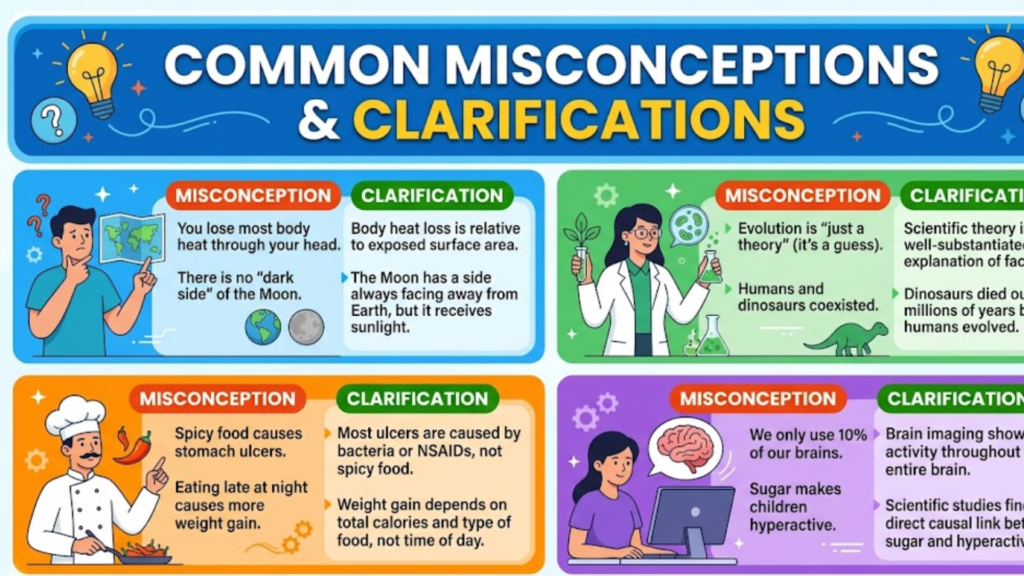
Common Misconceptions & Clarifications
Because “aii” isn’t a dictionary word, it gets misread fairly often. Here are the most common mix-ups:
- ❌ “It’s a typo” — It’s not. “Aii” is intentional informal spelling.
- ❌ “It stands for Artificial Intelligence Interface” — In casual texting, no. That’s a completely separate technical acronym.
- ❌ “It’s offensive” — It’s not inherently offensive. In most contexts, it’s neutral and friendly.
- ❌ “It means the same as ‘aye'” — Similar in spirit, but “aye” carries a more formal or enthusiastic tone. “Aii” is softer and more passive.
- ✅ It IS a casual way to say “alright” — That’s the core meaning, and context confirms it almost every time.
One thing worth noting: tone matters. “Aii” on its own, with no emoji and no follow-up, can sometimes feel distant or uninterested depending on the relationship and the conversation. It’s rarely negative, but context always shapes how it lands.
Similar Terms & Alternatives
If “aii” doesn’t feel right in a particular moment, here are terms with similar meanings and slightly different vibes:
| Slang Term | Meaning | When to Use |
|---|---|---|
| Aight / Aiight | Alright | More commonly recognized, same vibe |
| Bet | Agreed / For sure | More enthusiastic, Gen Z favorite |
| Fasho | For sure | Stronger agreement |
| Word | Understood / Agreed | Understated acknowledgment |
| Yep / Yup | Yes | Slightly more upbeat than “aii” |
| Cool | Okay / Fine | Warmer, more positive tone |
| Ight | Alright (shortened) | Very casual, mostly US-based |
| KK | Okay okay | Friendly, no-pressure acknowledgment |
Each carries a slightly different energy. “Bet” reads more enthusiastic than “aii,” while “word” comes across as even more understated. The choice depends on your personal voice and the vibe of the conversation.
How to Respond to This Term
When someone sends you “aii,” you generally don’t need to overthink your reply. Here’s a simple guide:
- If they’re confirming plans: Just continue the conversation naturally. “Great, see you then” works perfectly.
- If they’re acknowledging something you said: No response needed — they’ve received the message.
- If the tone feels unclear: Treat it as a simple “okay” and move forward. There’s rarely anything deeper going on.
- If it comes across as cold or disengaged: Give the conversation room to develop before reading into it.
The golden rule: match the energy. If the conversation is casual and breezy, “aii” is just a smooth acknowledgment. Don’t overanalyze it.
Regional or Cultural Differences
“Aii” is most common in English-speaking online communities, particularly among users in the United States and United Kingdom. However, because internet slang travels fast, it appears in conversations globally — borrowed into different languages and regions as part of the broader digital vocabulary shaped by American pop culture, hip-hop, and social media.
In some regions, “aight” is more common and more recognized. In others, local equivalents like “ya” (South African), “yallah” (Arabic-speaking communities), or “hai” (South/Southeast Asian contexts) serve the same conversational function.
The exact spelling may shift — “aii,” “aiii,” “aight,” “aiight” — but the meaning stays consistent: a casual, relaxed acknowledgment.
It’s also worth noting that “aii” is particularly tied to Gen Z and younger Millennial communication. Older users or those less active in online spaces may not recognize the term, so reading the room before using it matters.
Comparison with Similar Terms
Understanding where “aii” sits among similar slang helps you use it with the right tone:
| Comparison | Key Difference |
|---|---|
| Aii vs OK | “OK” is neutral and universally understood; “aii” is casual, slang-based, and carries an informal personality |
| Aii vs K | “K” can feel curt or passive-aggressive; “aii” reads as warmer and more relaxed |
| Aii vs Cool | “Cool” sounds more enthusiastic and positive; “aii” is more neutral and low-key |
| Aii vs Bet | “Bet” implies stronger enthusiasm or buy-in; “aii” is more of a quiet nod |
| Aii vs Aight | Nearly identical in meaning; “aight” is older and more widely recognized, while “aii” feels slightly more stylized |
For most casual conversations, any of these work. But if you want something low-energy and smooth, “aii” hits that sweet spot.
Usage in Online Communities & Dating Apps
In spaces like Discord, Instagram DMs, Reddit threads, and gaming chats, “aii” does important conversational work: it keeps things moving. A quick “aii” instead of “okay sounds good” saves time and keeps the tone informal and friendly.
On dating apps, the dynamics shift slightly. Using “aii” early in a conversation signals that you’re laid-back and not overthinking things — which can be appealing. But relying on it too heavily can give the impression of low investment, especially in conversations where the other person is putting in more effort.
Context and frequency are everything. A well-placed “aii” feels smooth. Three “aii”s in a row with nothing else added can feel like you’re checked out.
In meme culture and TikTok comment sections, “aii” sometimes takes on a humorous or exaggerated tone — especially when written as “aiii” or “aiiii” to show mock enthusiasm or sarcasm.
Hidden or Offensive Meanings
“Aii” does not carry any inherently offensive meaning. It’s a neutral, casual expression in virtually all contexts.
That said, like any short response, it can be perceived as dismissive or uninterested depending on the situation. If someone shares something meaningful and gets back a lone “aii,” they might feel brushed off — even if that wasn’t the intent.
There are no known offensive or coded uses of “aii” in mainstream digital communication. It does not function as a dog whistle, slur, or coded term in any widely documented context.
One edge case: in some competitive gaming or group chat environments, an overly frequent “aii” response to everything can signal a player or member is on autopilot and not truly engaged. That’s less about offense and more about communication style.

Suitability for Professional Communication
“Aii” is not appropriate for professional communication. Full stop.
In work emails, formal Slack channels, client messages, reports, or any professional correspondence, “aii” reads as unprofessional and potentially confusing to anyone unfamiliar with the slang.
Use proper language in formal settings:
- ✅ “Understood, I’ll take care of it.”
- ✅ “Okay, sounds good.”
- ✅ “Noted, thank you.”
- ❌ “aii” — save this for personal chats only
Even in casual internal work chats where everyone knows each other, it’s worth being mindful of context. Not everyone on a team will recognize or appreciate internet slang, and clarity always beats cleverness at work.
Aii Meaning in Text from a Guy
When a guy sends “aii” in a text, it almost always means the simple, surface-level thing: “alright” or “okay.” He’s acknowledging what you said, agreeing to a plan, or confirming he understands — nothing more, nothing less.
The tone of his “aii” matters though. If it comes with an emoji or a follow-up message, it’s warm and engaged. If it’s just “aii” and nothing else, it might feel a bit flat — but that’s usually about texting style rather than emotion. Some people are just economical with words over text.
Reading too much into a single “aii” is almost never worth it. It’s casual slang, not a mood signal.
Aii Meaning in Japanese
“Aii” is not a standard Japanese word. In Japanese, the closest sound is “ai” (愛), which means love or affection — a completely different meaning with no connection to the texting slang.
Some people see “aii” and wonder if it relates to Japanese because of the vowel sounds, but there’s no linguistic overlap here. The slang “aii” is purely an English-language internet term rooted in AAVE and digital communication culture.
In Japanese communication, a similar conversational function — quick acknowledgment during a conversation — is served by aizuchi (相槌), which includes phrases like “hai” (yes), “naruhodo” (I see), and “sō desu ne” (that’s right). These serve as active listening cues, similar in social function to “aii” but completely different in origin and spelling.
Aii Meaning Slang
As a piece of slang, “aii” belongs to a category of phonetic, abbreviated expressions that emerged from digital communication culture. It’s not in the Merriam-Webster dictionary. You won’t find it in academic texts. But you will find it in millions of casual conversations every day.
Its slang status means:
- It’s context-dependent — meaning shifts with tone and setting
- It’s generational — more common among Gen Z and younger Millennials
- It’s informal only — never for professional or academic use
- It’s evolving — spellings like “aiii” or “aii lol” shift the tone further
Slang like “aii” reflects the way real people communicate: fast, phonetic, and shaped by the communities that created it. Understanding it means understanding the cultures and conversations those communities are having.
Frequently Asked Questions (FAQs)
What does aii mean in text? It means “alright” or “okay” — a casual way to show agreement or acknowledgment in informal conversations.
Is aii the same as aight? Yes, essentially. Both mean “alright,” but “aight” is older and more widely recognized; “aii” is a more stylized, modern variation.
Can aii be rude? Not inherently. But a lone “aii” with no context can feel cold or disengaged depending on the situation.
Where does aii come from? It evolved from AAVE speech patterns and spread through early internet culture, SMS, and social media platforms.
Is aii okay to use at work? No — it’s informal slang and should only be used in personal, casual conversations.
What does aiii mean? The extra “i” adds emphasis — it can signal excitement, sarcasm, or exaggerated agreement, depending on context.
What does aii mean from a girl? Same as from anyone — it means “alright” or “okay.” Tone and context determine whether it’s warm or neutral.
Is aii used in Japanese? No. “Aii” is an English slang term. The Japanese word “ai” (愛) means love, which is entirely different.
Conclusion
“Aii” is one of those slang terms that looks confusing at first but makes perfect sense once you know the context. At its core, it’s just a relaxed, phonetic way to say “alright” — quick, casual, and perfectly suited to the pace of modern digital conversations.
It came from AAVE speech patterns, traveled through early chat culture, and landed firmly in Gen Z’s everyday vocabulary. Whether you see it in a text from a friend, a TikTok comment, or a Discord server, the meaning is almost always the same: a smooth, low-key acknowledgment.
Use it in casual conversations. Skip it in professional ones. And if someone sends it to you? Just keep the conversation going — that’s all they’re asking you to do.
